Food tourism
Casco Viejo, Panama: Living History and a World Heritage Site
Explore Casco Viejo history: founded in 1673 and a UNESCO World Heritage Site since 1997, with colonial plazas, churches, and a thriving food scene.
Published on June 10, 2026 · 4 min read
Walking through Casco Viejo in Panama City means traveling across more than three centuries of history in just a few cobblestone blocks. Founded in 1673 and declared a UNESCO World Heritage Site in 1997, Casco Antiguo is today the cultural and culinary heart of the Panamanian capital: a neighborhood where colonial churches share the streets with terraces, wine cellars, and kitchens that tell the country's story in every dish.
A Neighborhood Born from Ashes: The Founding of 1673
The story of Casco Antiguo begins with a tragedy. In 1671, the pirate Henry Morgan attacked Panamá La Vieja — the first European city founded on the Pacific coast of the Americas — and the settlement was destroyed in the sacking and fire that followed. Two years later, in 1673, the survivors founded a new city a few kilometers to the southwest, on a small rocky peninsula that was far easier to defend.
That decision shaped the character of the neighborhood we know today: seawalls facing the ocean, a grid of streets, houses built around interior courtyards, and architecture designed to withstand attacks while catching the Pacific breeze. That colonial layout survives almost intact and is one of the reasons the district earned UNESCO recognition.
A World Heritage Site Since 1997
In 1997, UNESCO inscribed the Historic District of Panama on the World Heritage List, recognizing the exceptional value of its architectural blend: over the Spanish colonial foundation lie French and Caribbean influences that arrived in the 19th century — largely during the French canal construction era — along with republican and art deco styles from the early 20th century.
The result is a neighborhood unlike any other in the Americas: wrought-iron balconies reminiscent of New Orleans, brightly colored colonial facades, ruins preserved as monuments, and shaded plazas where life unfolds outdoors. The declaration also sparked a restoration movement that returned dozens of historic buildings to their former glory.
Plazas and Churches You Should Not Miss
The best way to understand the Casco is to walk it slowly. Here are some essentials:
- Plaza de la Independencia (Plaza Mayor): the heart of the neighborhood, where Panama's separation from Colombia was proclaimed in 1903. Facing it stands the Metropolitan Cathedral Basilica of Santa María la Antigua.
- San José Church: home of the famous Golden Altar which, according to legend, was saved from Morgan's sacking thanks to a friar's quick thinking.
- Plaza Bolívar: ringed by cafés and presided over by the Church of San Francisco de Asís, it is one of the most photogenic corners of the Casco.
- Ruins of the Santo Domingo Convent and the Arco Chato: a flat masonry arch whose endurance, it is said, helped prove that Panama was stable ground for building the canal.
- Paseo Esteban Huertas: the promenade atop the old seawall, with colonial vaults, bougainvillea, and the best view of the bay and the modern skyline.
A Traveler's Tip
Visit the neighborhood twice: by day, to appreciate the architecture and museums, and at sunset, when golden light bathes the facades and the plazas fill with music and open-air tables.
From Colonial Past to Culinary Capital
If history explains the stones of the Casco, its present is best understood with a knife and fork. In recent decades the neighborhood has become Panama's gastronomic epicenter, with restaurants that converse with its multicultural heritage.
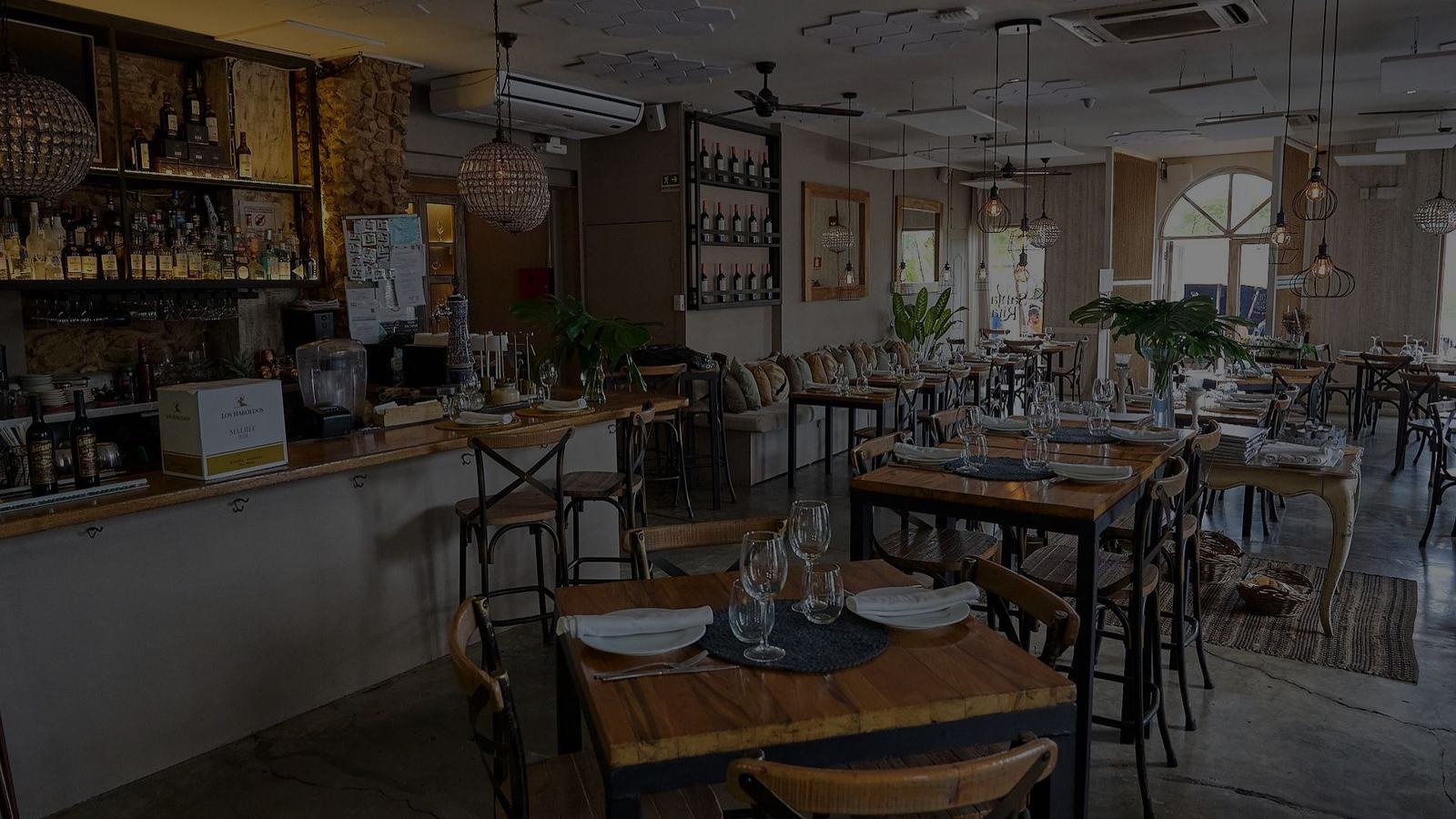
The Spanish tradition — the same one that founded the city in 1673 — lives on at Restaurante Santa Rita, where Spanish and Argentine gastronomy comes to life in tapas, jamón ibérico, Argentine cuts, and wines from both shores of the Atlantic. With a 4.7 on Google and online reservations, it is a natural stop for anyone wanting to end a day of history with peninsular flavor. Learn more on our Santa Rita page.
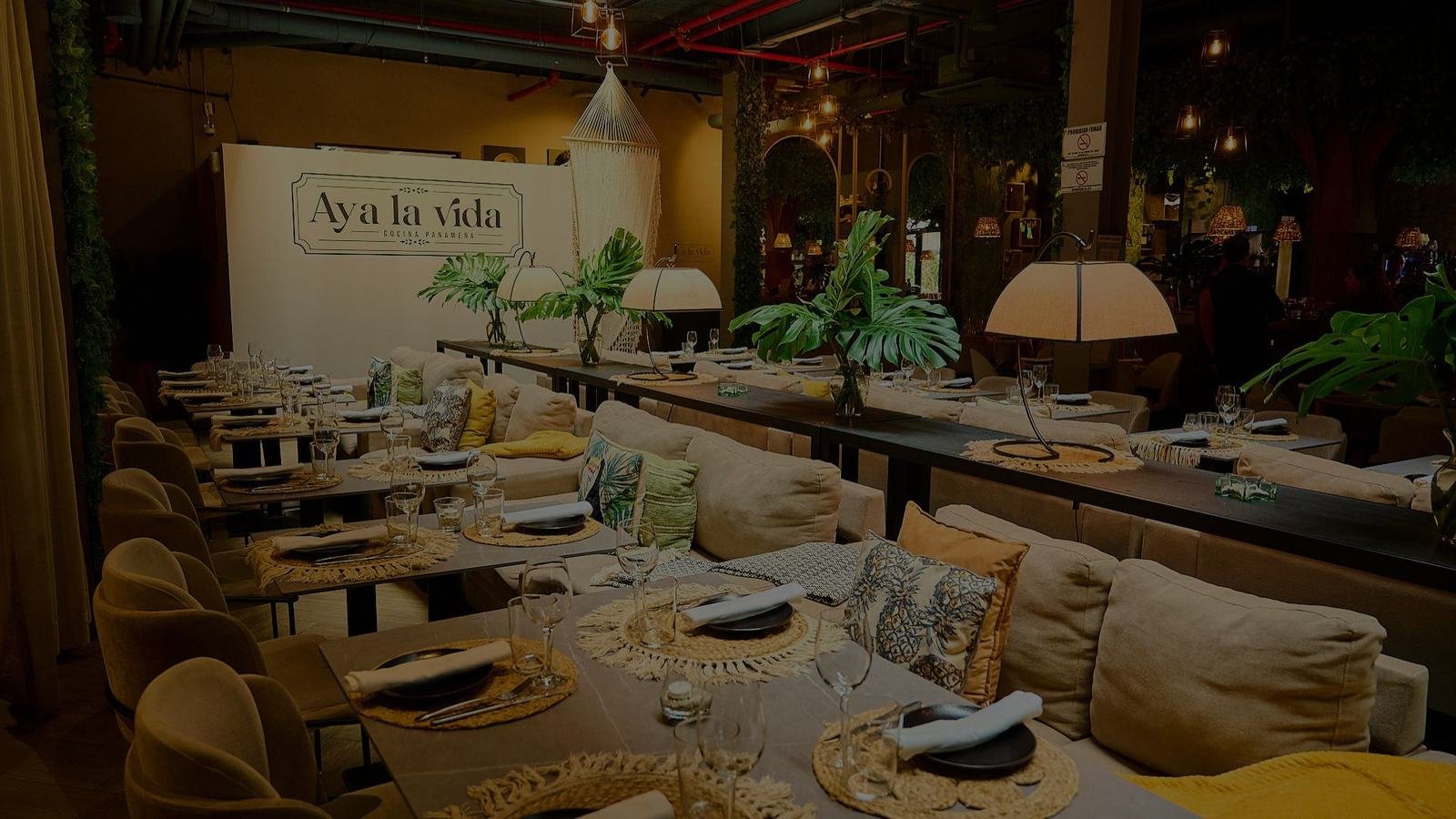
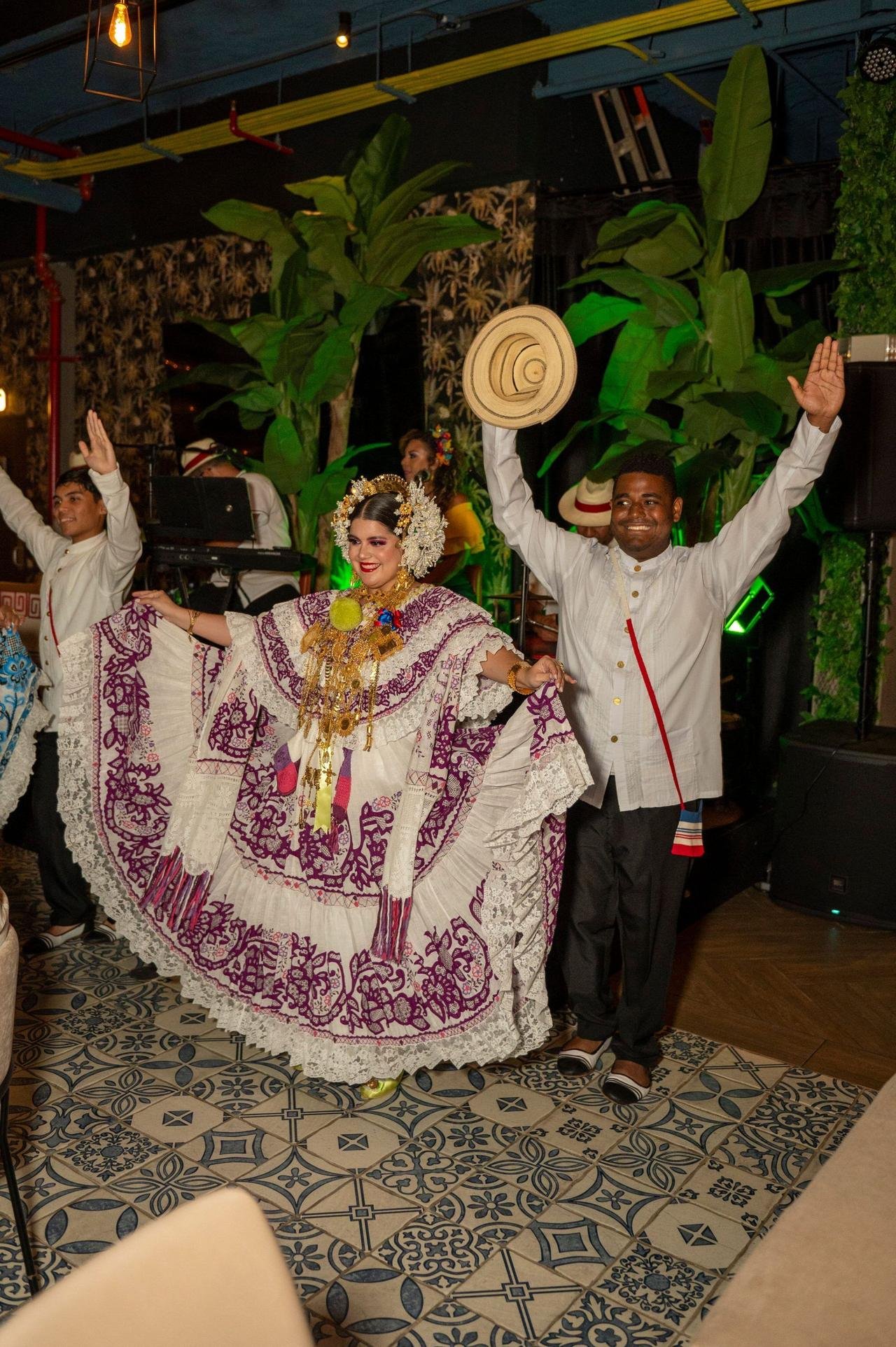
The other side of the coin is the contemporary Panamanian identity of Aya la Vida, which works with 100% national ingredients under the motto "De la Tierra a tu Mesa" (From the Land to Your Table). Its kitchen reinterprets the country's recipes with modern technique, and its live music and pollera folklore nights turn dinner into a living lesson in Panamanian culture. Discover it on the Aya la Vida page, and if you would like to browse both menus before deciding, visit our digital menu.
Practical Tips for Your Visit
- Getting there: the Casco is about 15-20 minutes from the city's banking district and 30-40 minutes from Tocumen airport, depending on traffic.
- Comfortable shoes: the streets are cobbled, and the best way to explore the neighborhood is on foot.
- Ideal timing: mid-morning for monuments and museums; sunset and evening for plazas, terraces, and restaurants.
- Weather: carry water, sunscreen, and — during the rainy season, roughly May to November — a light umbrella.
Experience History with All Five Senses
Casco Viejo is not a museum frozen in time: it is a living neighborhood where history can be touched, walked, and — above all — tasted. End your tour of its plazas and churches with a dinner worthy of the setting: reserve online at Santa Rita or via WhatsApp at +507 6629-6315, or secure your table at Aya la Vida at +507 6588-4855. Planning a group visit or a celebration in the neighborhood? Reach out through our contact page and we will help you organize it.