Spanish & Argentine cuisine
Spanish and Argentine Wines: How to Choose the Perfect Bottle
A guide to Spanish and Argentine wines: Rioja, Ribera del Duero, Albariño, Malbec and cava. Learn food pairings and pick the perfect bottle in Panama.
Published on March 24, 2026 · 4 min read
Choosing between Spanish wines and Argentine wines is one of those happy dilemmas that only exist at a good table. Spain brings centuries of tradition, native grapes, and legendary regions; Argentina brings the power of Malbec and the altitude of the Andes. In this guide we explain what sets each world apart, how to read a label with confidence, and which bottle to order depending on what is on your plate.
Spain: Tradition, Tempranillo, and Atlantic Freshness
Spain's wine map is immense, but three names are enough to start navigating it with ease:
Rioja
Spain's most famous region works primarily with the tempranillo grape. Its reds are classified by aging time in barrel and bottle: joven, crianza, reserva, and gran reserva. A Rioja crianza may be the most versatile wine on the Spanish table: gentle tannins, red fruit, and vanilla notes that embrace everything from croquetas to a slow-cooked stew.
Ribera del Duero
Also a kingdom of tempranillo — known there as tinta del país — but with a more concentrated, structured character thanks to the extreme climate of the Castilian plateau. It is the red for powerful dishes: braised meats, deep stews, grilled cuts.
Albariño and Verdejo: The Whites That Win Hearts
Albariño from Galicia's Rías Baixas is saline, fresh, and aromatic: born facing the Atlantic to accompany seafood. Verdejo from Rueda, meanwhile, offers fresh herbs and citrus, ideal for light starters. And for celebrating, cava — Spain's traditional-method sparkling wine — is the perfect aperitif and a wildcard that works from the first course to the last.
Argentina: Malbec, Altitude, and Character
If Spain is tradition, Argentina is intensity. Argentine Malbec, especially from Mendoza, found its fullest expression in high-altitude vineyards: ripe black fruit, velvety tannins, and an almost genetic affinity with grilled beef. Wineries such as Catena and Rutini, both present in Santa Rita's cellar, are ambassadors of that style blending power and elegance.
The practical rule: when fire and beef are involved, Malbec rarely fails.
Why does altitude matter so much? At more than a thousand meters above sea level, days are warm and nights are cold. That thermal contrast lets the grape ripen slowly, preserving acidity and freshness while building color and concentration. The result is reds that are intense yet balanced, with a drinkability that surprises anyone tasting them for the first time.
Pairings: Which Bottle to Order for Your Dish
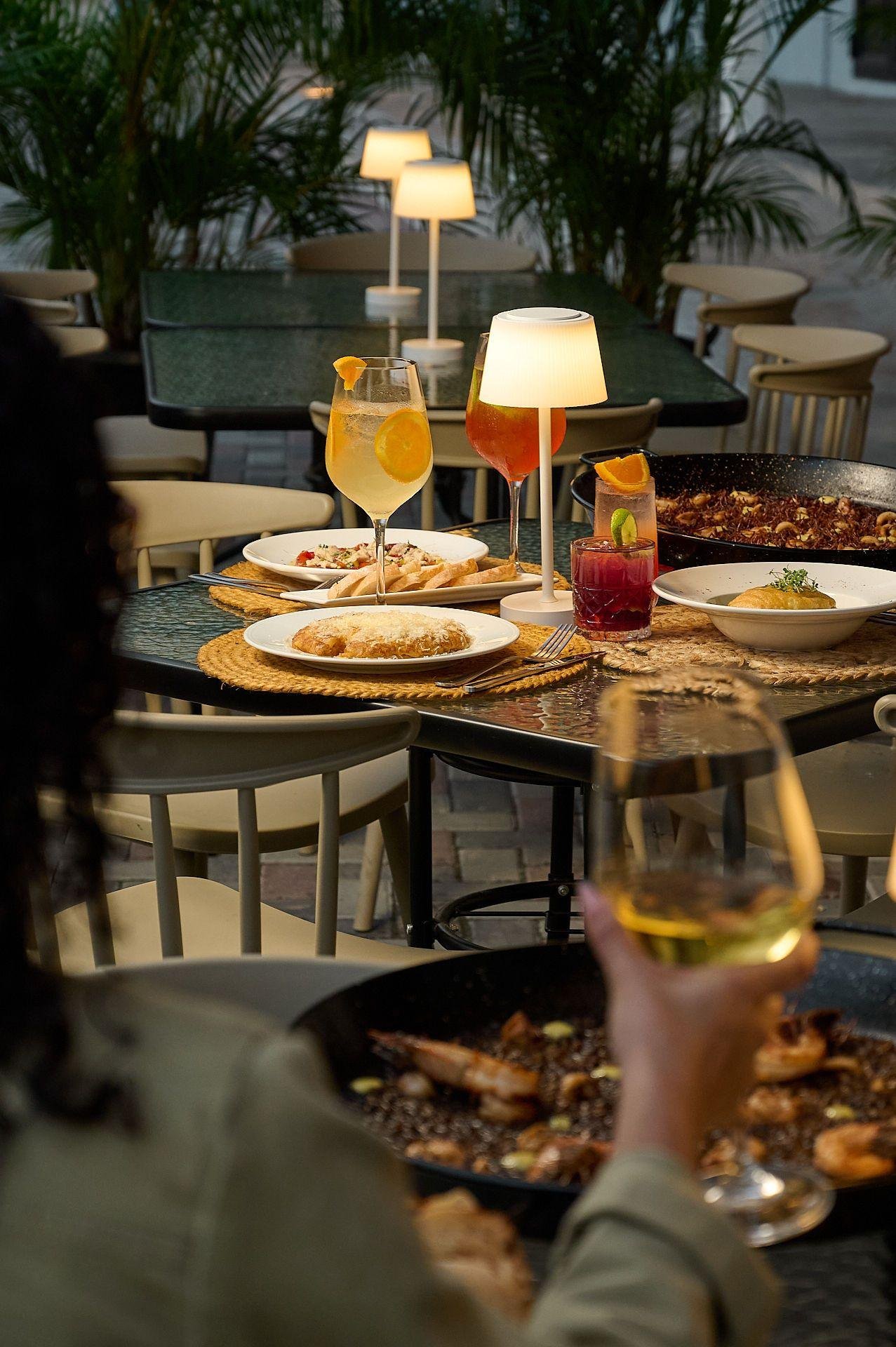
Pairing is not an exact science, but some combinations elevate the whole experience. At Restaurante Santa Rita, where the menu unites Spanish and Argentine gastronomy in the heart of Casco Antiguo, the wine cellar gathers labels from Rioja, Ribera del Duero, Albariño, Verdejo, cava, and Malbec chosen for its own kitchen. A few winning pairs with real dishes from the menu:
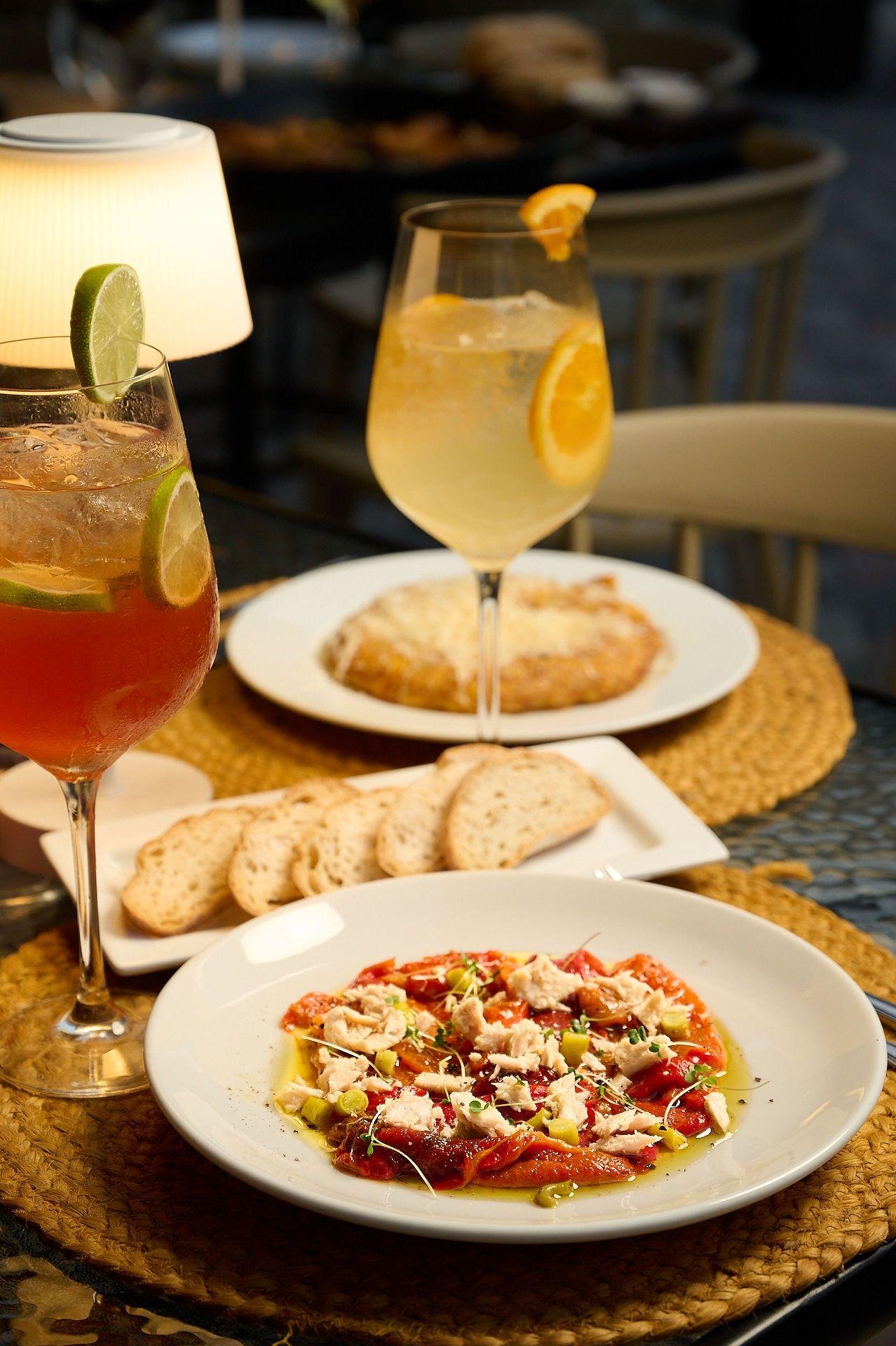
- Cobia ceviche ($15) + Albariño: the Atlantic salinity of the Galician white and the citrus freshness of the ceviche are soulmates.
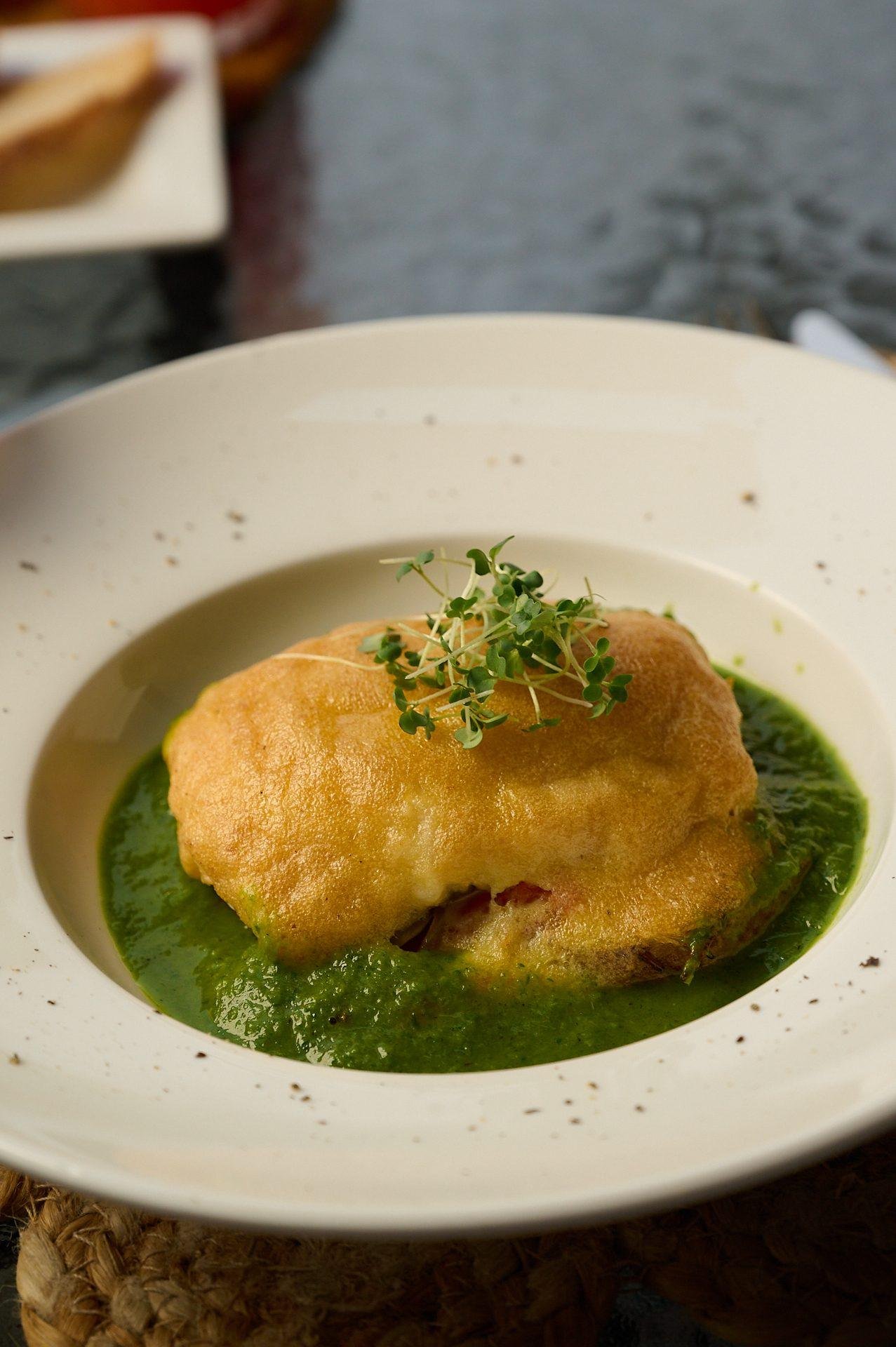
- Eggplant and sun-dried tomato croquetas ($9.50) + cava: the bubbles cleanse the creaminess and call for another croqueta.
- Iberian chorizo tortilla ($14) + Rioja crianza: red fruit and soft spice for a classic with character.
- Carrilleras del Duero ($25) + Ribera del Duero: the beef cheeks are braised in red wine; pairing them with the same region is pure coherence.
- Argentine grilled cuts + Malbec (Catena or Rutini): the southern hemisphere's most famous pairing, and for good reason.
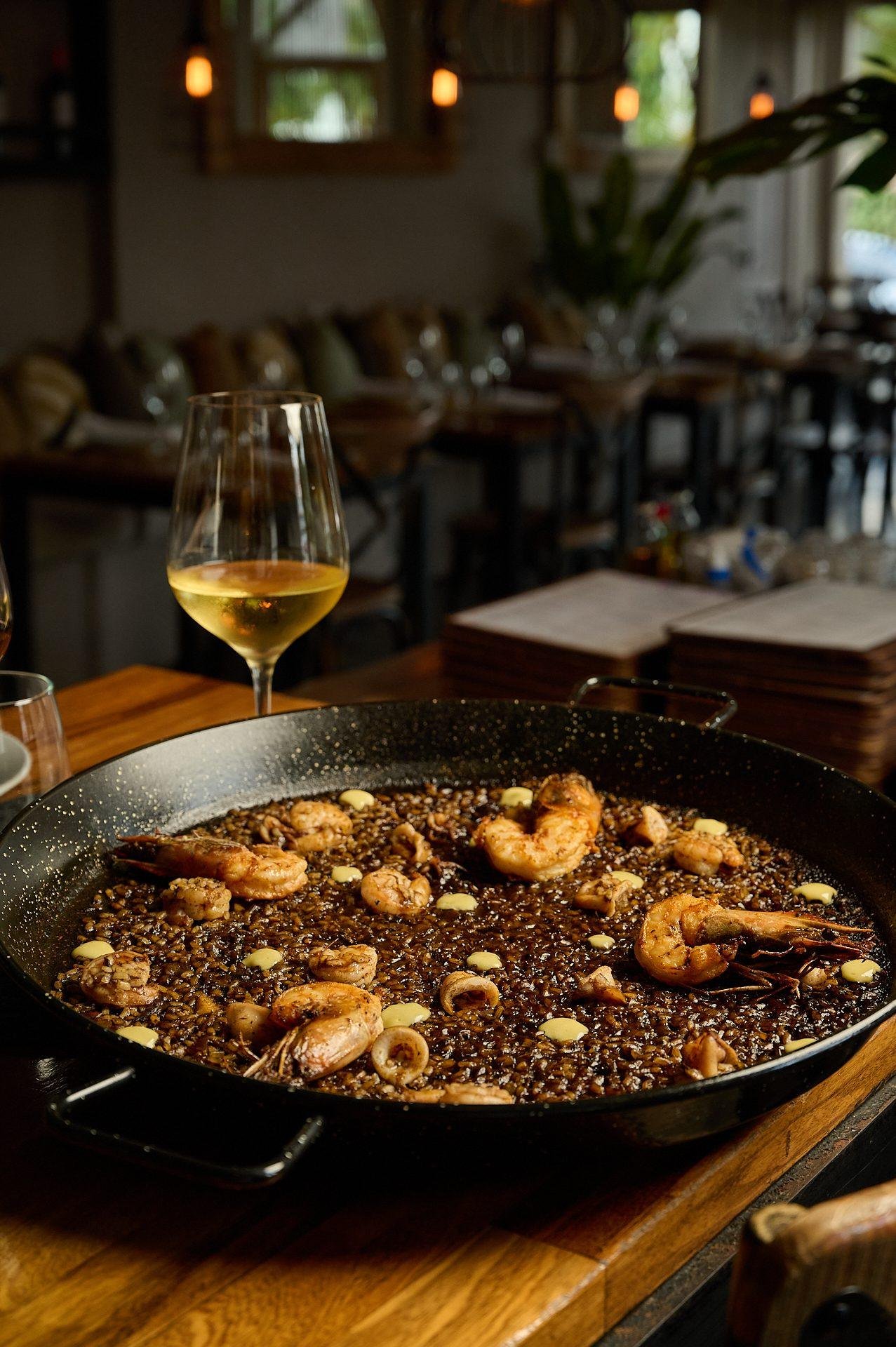
- Prawns and coconut rice ($24) + Verdejo: the tropical touch of coconut finds balance in the white's herbal freshness.
And dessert? A crema catalana ($8) with a glass of cava turns the finale into a ceremony.
How to Order Wine Without Feeling Tested
Ordering wine is far less intimidating when you have three clear questions:
- What are we eating? The dish leads: seafood calls for a fresh white; the grill calls for a full-bodied red.
- How much intensity do we want? A Rioja crianza is gentle; a Ribera or a Malbec, more enveloping.
- What is the occasion? For a toast, cava; for long conversation, an age-worthy red.
And the best advice of all: ask the floor team. At Santa Rita they know their cellar and love to recommend. You can do your homework in advance by exploring the digital menu or learning more about the restaurant on our Santa Rita page.
Two Worlds, One Neighborhood
The contrast between glasses also plays out between restaurants. A few steps from Santa Rita, Aya la Vida offers another route: contemporary Panamanian cuisine with 100% national ingredients, live music, and a terrace. One Spanish-Argentine night, another Panamanian night: that is how you enjoy Casco Antiguo in full.
Book Your Table and Uncork
The perfect bottle is waiting in the cellar at Restaurante Santa Rita: reserve online or message us on WhatsApp at +507 6629-6315. If you dream of a tasting for your team or a celebration dinner with pairings, our events and groups team will make it happen. Questions about the wine list? Contact us and consider the toast already begun.